

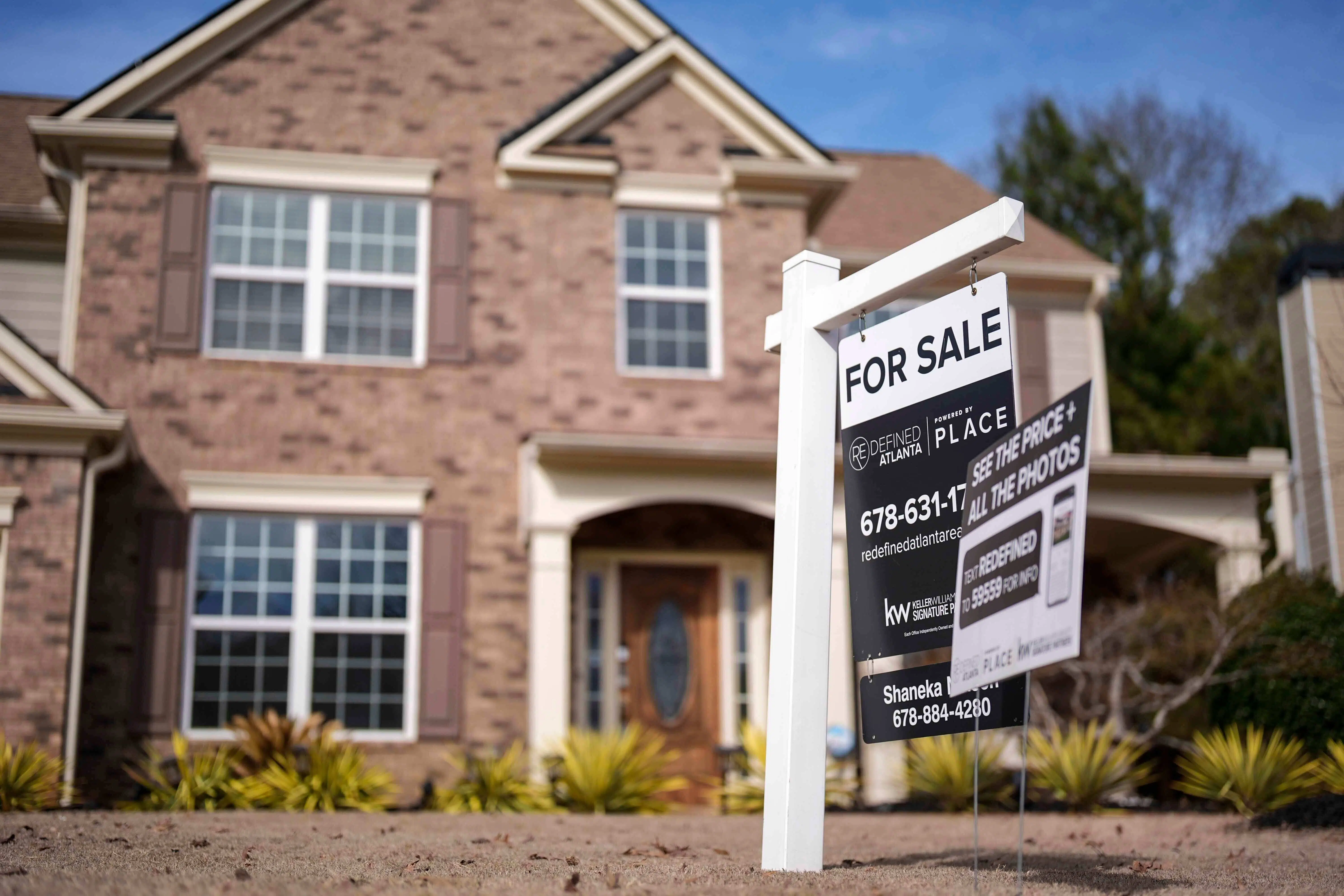
KISSIMMEE, Fla. – Budget discussions are underway across Central Florida as local governments prepare for a possible major shift in property tax revenue, one that voters will ultimately decide in November.
Cities across the region are working to map out what their finances would look like if a proposed constitutional amendment passes, dramatically reducing the amount homeowners pay in property taxes.
Under the proposal, the first $150,000 of a homestead property’s value would be exempt from taxation. That figure would increase to $250,000 by 2028.
For many homeowners, that sounds like welcome relief. But critics and some residents worry the savings could come at a steep cost to essential services.
“I mean, I’d love a break and anything that we can find, but it’s a little concerning when you take into consideration that, like our police department gets paid off it, our fire department, like everybody gets paid off it, schooling and stuff,” Kissimmee resident Julio Pina said.
[WATCH: Local governments warn of revenue losses under Florida tax proposal]
Several Central Florida cities have already put numbers to the potential impact. The mayor of Sanford said the city would lose $15 million, while Ocoee officials project losing up to $8 million by 2028.
Kissimmee could also take a significant hit. Homestead properties make up more than half of the homes in the city, and nearly 63% carry the homestead exemption.
Some cities have floated the idea of raising other fees to make up for lost tax revenue. Kissimmee resident Travis Burgner said he’s open to that trade-off, as long as he’s seeing savings on his property tax bill.
“That’s thousands of dollars in my pocket going to my family, going to my kids, toward our future. If there are extra costs, fire fees, things like that, then that’s something I’d be willing to allocate some of that money toward,” Burgner said.
Kissimmee is holding a budget workshop tonight. The city has not released detailed information about the agenda, only that it will be a budget discussion as well as a discussion about the commission travel policy, but the meeting comes as municipalities across the region work through similar conversations.
The amendment will go before voters in November. It would need at least 60% approval to pass.

Get breaking news alerts delivered to your inbox.
