ORLANDO,Fla. – May is Asian American and Pacific Islander Heritage Month, and for me, it always lands with a familiar pull.
I’m half Filipino, and I’m constantly trying to reconnect with that side of myself — to find the foods, stories and spaces that feel like a home away from home. So, when I heard about Kaya, a MICHELIN Green Star restaurant in Orlando’s Mills 50 district, I walked in curious about the menu.
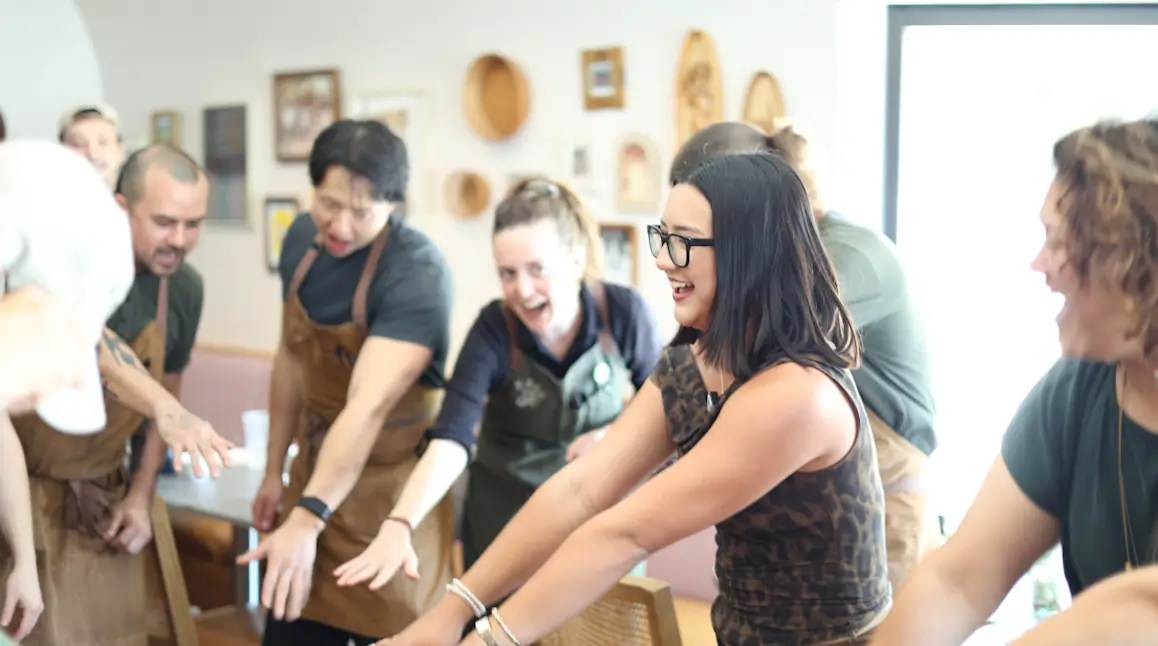
From the outside, Kaya looks unassuming. Inside, it felt like I’d stepped into a kind of found family — a restaurant where hospitality is as intentional as the cooking.
Chef Lordfer Lalicon, Kaya’s executive chef and co-owner, has spent more than two decades in the restaurant world, including time in high-level kitchens where precision and sourcing are treated as part of the craft. But the heart of his cooking is much more personal. He told me he didn’t start cooking until college because he was missing home, and that feeling still guides the way he builds his menu — Filipino flavors rooted in memory, presented with an elevated approach that doesn’t erase what people grew up loving. That same mindset is also a big part of why Kaya earned a MICHELIN Green Star, with a commitment to local sourcing and sustainability that keeps the restaurant rooted in the community, from the farmers and fishermen they rely on to the way they use ingredients with intention.


Exclusive membership newsletter for News 6 Insiders.
I ate my way through a meal that felt both comforting and surprising.
The dish everyone told me not to miss was kare kare, a Filipino classic built around deep, slow-cooked richness. Kaya’s version uses braised oxtail that’s tender enough to fall apart, with a peanut-forward sauce that’s savory and lush without being heavy. Sweet potato adds softness and sweetness, while bagoong (fermented krill paste) brings the salty, funky punch that makes the whole dish snap into focus.
The raw preparations were just as memorable. Kaya’s kinilaw leaned bright and clean, with delicate fish, citrus and coconut working together in a way that felt refreshing, not fussy.

There were vegetables, too, that didn’t feel like an afterthought. The Bahay Kubo salad was colorful and layered — earthy-sweet and lightly tangy — with a creamy element that tied everything together.

Then came the adobo risotto, a twist on one of the most classic Filipino flavors everyone knows and loves. It still had that soy backbone and hit of vinegar, but in a creamy risotto form. The mushrooms were deeply flavorful and savory enough that I didn’t miss the meat at all, and the whole dish felt both familiar and completely new at the same time.

As the menu unfolded, Kaya’s point of view came into focus. Let’s get one thing straight. This isn’t fusion.
Jamilyn Bailey, Kaya’s co-owner and general manager, explained how the restaurant thinks about honoring memory while still letting Filipino food evolve.
“Food always kind of changes. But for a lot of folks who haven’t been back or have a memory that’s like really strong for them, we don’t want to take away from that. That’s so real, you know? But we always want Filipino food to be bigger, to be more and to be, something that folks can enjoy,” she said.
Kaya’s cooking is rooted in what people remember and miss, expressed in a way that feels new, elevated and shared with everyone at the table.
Kape Kaya: Saturday mornings that turn into a community line
Kaya’s community-first energy doesn’t stop after dinner service. Every Saturday, Kape Kaya turns the restaurant into a bakery pop-up with pastries and coffee — and a line that starts early. The menu changes every week, so there are always new flavors to try.
Chef Clarice Lam told me she loves watching people get curious once flavors from different communities start going mainstream. “Once you see flavors from different like ethnic groups going mainstream, then I feel like that’s when people, really kind of open up and they start to feel more comfortable, like trying new things” she said.
I came for the pastries, and I left thinking about how much storytelling can fit inside a pastry box. My spread included a Filipino Cuban bear claw, an ube halaya blueberry apple fritter, a Hong Kong milk tea egg tart and a kalamansi meringue croissant that hit with bright citrus and sweetness. There was also a strawberry rhubarb bibingka and an ensaymada cruffin that felt like pure comfort with a modern twist.
Even the savory side had the same intention. The spring pea sourdough was fresh and herbaceous, and I still can’t stop thinking about the thick em cookie — the kind that makes the line make sense.
Kape Kaya feels like Kaya in daytime form: approachable, joyful and inviting, a weekly reminder that this restaurant’s version of community includes whoever is willing to show up hungry.

The name Kaya is layered. Kaya comes from the phrase kaya natin, which means we can do it.
But it also speaks to ownership in the broadest, most generous sense.
“Our Kaya. As in, Kaya belongs to all of us,” Bailey said. “Everyone is involved in making this restaurant come to life.”
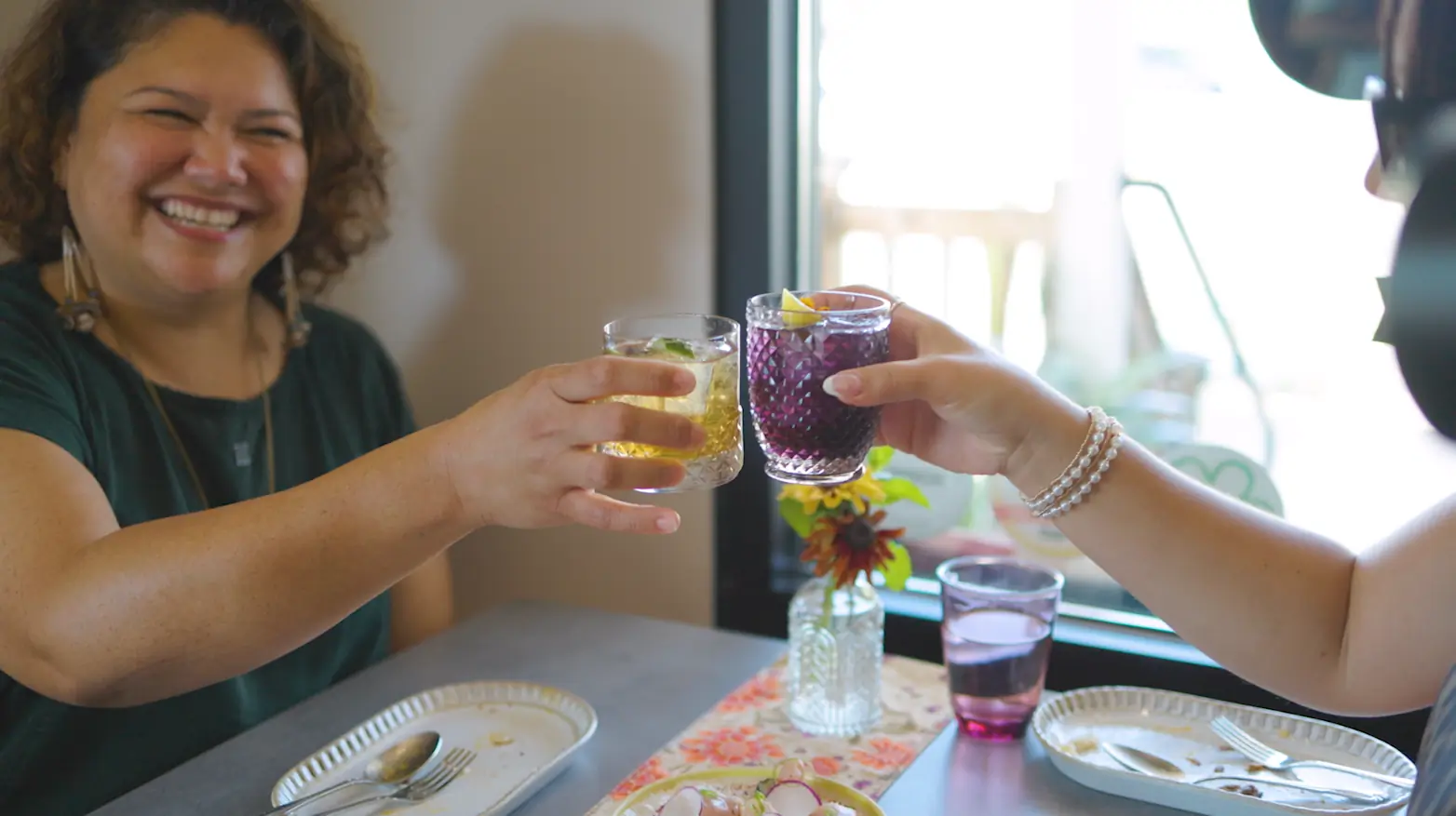
That is not just branding. It’s something you can feel in the dining room.
For me, Kaya was not just a great dinner. It was a reminder that food can carry identity, memory and belonging all at once.
The flavors are Filipino, authentically Filipino — not fusion — with familiar dishes told in a new way.
And the hospitality is the kind that changes how you hold yourself at the table. You come in as a guest, and you leave feeling like you were part of the family. That’s the kind of food that sticks with you, because it doesn’t just fill you up. It brings you home.